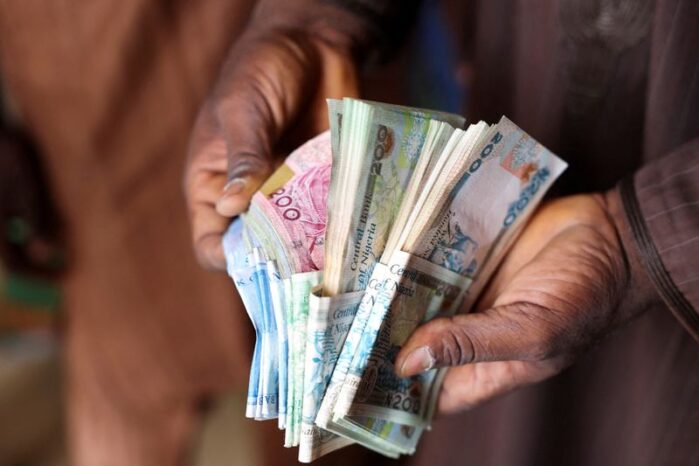
African shares generally trade in the currencies of their respective exchanges.
Nigerian stocks trade in naira, BRVM securities in West African CFA francs, South African shares in rand, and Egyptian equities in Egyptian pounds.
This means international investors must consider both stock prices and exchange rates.
What Currencies Do Major African Exchanges Use?
| Exchange | Currency |
|---|---|
| Nigerian Exchange | Nigerian naira (NGN) |
| BRVM | West African CFA franc (XOF) |
| Johannesburg Stock Exchange | South African rand (ZAR) |
| Egyptian Exchange | Egyptian pound (EGP) |
| Nairobi Securities Exchange | Kenyan shilling (KES) |
| Ghana Stock Exchange | Ghanaian cedi (GHS) |
How Does Currency Affect Returns?
Suppose an investor purchases a Nigerian stock that appreciates by 20% in naira.
If the naira depreciates against the US dollar during the investment period, the dollar-denominated return will be lower.
For example, a 20% stock gain combined with a 15% decline in the currency’s dollar value produces an approximate 2% USD return before fees.
Currency movements can also improve returns when the local currency strengthens.
Can Investors Fund Their Accounts in Dollars?
Some investment platforms support funding in currencies other than the currency used to trade the underlying shares.
Daba supports multiple funding currencies and payment methods, depending on the user’s location and account eligibility.
Investors should review foreign-exchange rates, conversion costs, and withdrawal arrangements before transferring funds.
The Daba app provides access to supported funding methods and eligible investment products.