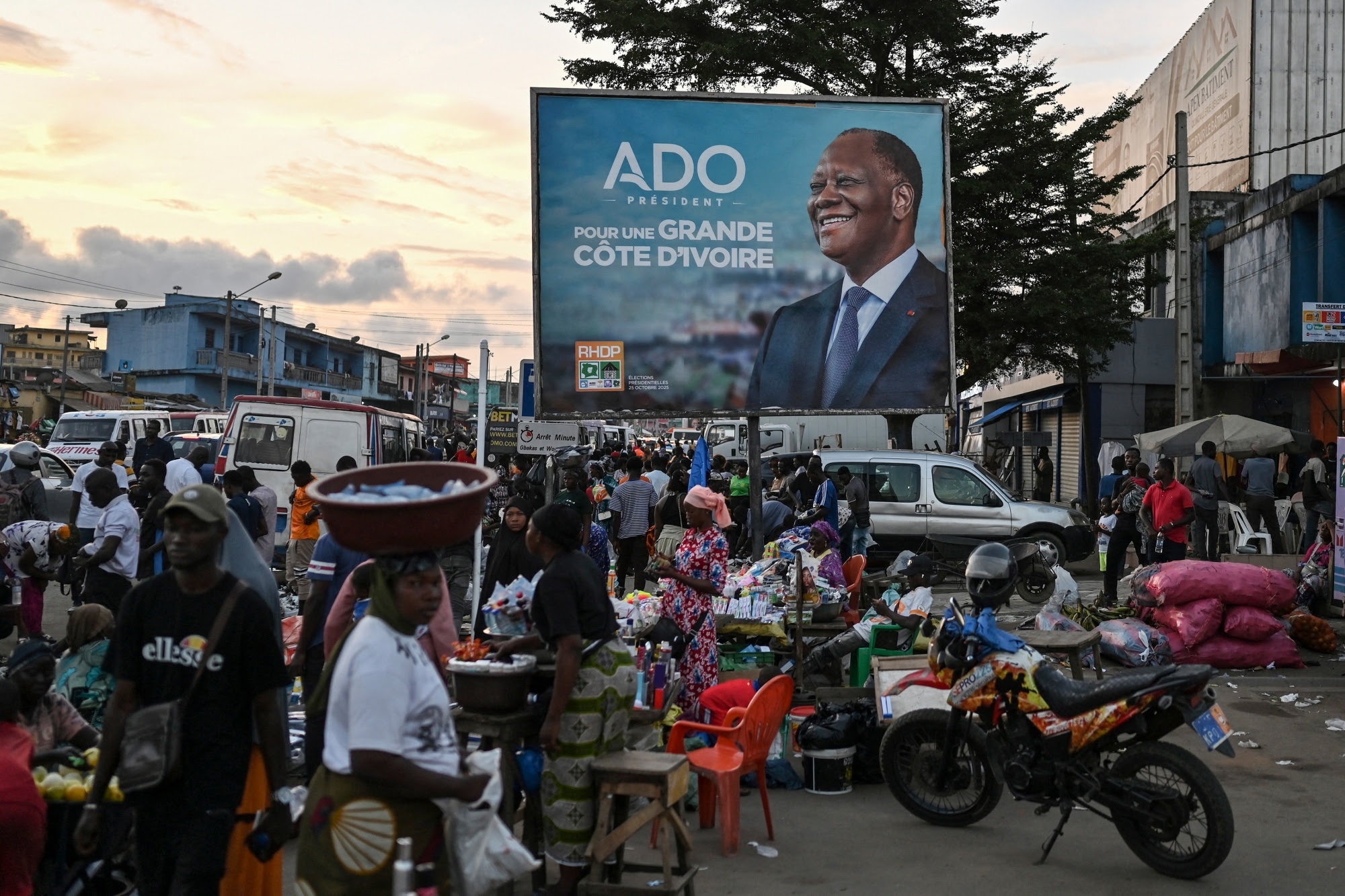
Africa is experiencing one of the largest urban transformations in the world.
According to United Nations estimates, the continent’s urban population has expanded from approximately 33 million people in 1950 to about 670 million in 2026.
This growth is reshaping demand for housing, transportation, electricity, telecommunications and financial services.
However, Africa’s urbanization also presents challenges related to infrastructure, employment, congestion and affordability.
Why Are African Cities Growing?
Population growth and rural-to-urban migration are 2 major drivers.
People move to cities seeking employment, education, healthcare and access to markets.
At the same time, natural population growth increases the size of existing urban communities.
Major urban centers include Lagos, Cairo, Kinshasa, Johannesburg, Nairobi and Abidjan.
The pace of expansion creates opportunities for businesses supplying essential goods and services.
What Investment Opportunities Does Urbanization Create?
Housing and Construction
More urban residents increase demand for residential and commercial properties.
Construction activity also supports demand for cement, steel, electrical equipment and building materials.
Companies such as Dangote Cement provide exposure to parts of Africa’s construction industry.
However, housing demand does not automatically translate into affordable housing projects or profitable construction activity.
Financial Services
Urban populations often have greater access to formal banking and digital payment services.
Banks can benefit from business lending, consumer transactions and expanding financial inclusion.
Investors can research listed institutions such as Zenith Bank and Ecobank Côte d’Ivoire.
Telecommunications
Cities concentrate consumers and businesses, supporting demand for mobile data, broadband connectivity and digital platforms.
Telecommunications providers can benefit from greater network usage.
However, investment in infrastructure and spectrum may require substantial capital expenditure.
Transportation and Energy
Urban growth creates demand for roads, public transport, electricity distribution, logistics networks and water infrastructure.
These sectors may create opportunities for infrastructure developers, contractors and financial institutions.
What Are the Risks?
Rapid urbanization can exceed the capacity of local infrastructure.
Traffic congestion, informal housing, electricity shortages and high land costs may reduce productivity.
Urban population growth can also occur without equivalent increases in formal employment.
Investors should distinguish between population growth and commercially viable demand.
How Can Investors Gain Exposure?
Public equity markets provide indirect exposure to urbanization through banking, telecommunications, construction and consumer businesses.
Private infrastructure projects and investment funds may offer additional opportunities, subject to eligibility and risk.
Investors can analyze available African-listed companies through Daba Capital Markets.
The bottom line: Africa’s expanding cities create long-term demand for housing, infrastructure and services. The strongest investment opportunities may come from businesses that can meet this demand profitably and at scale.