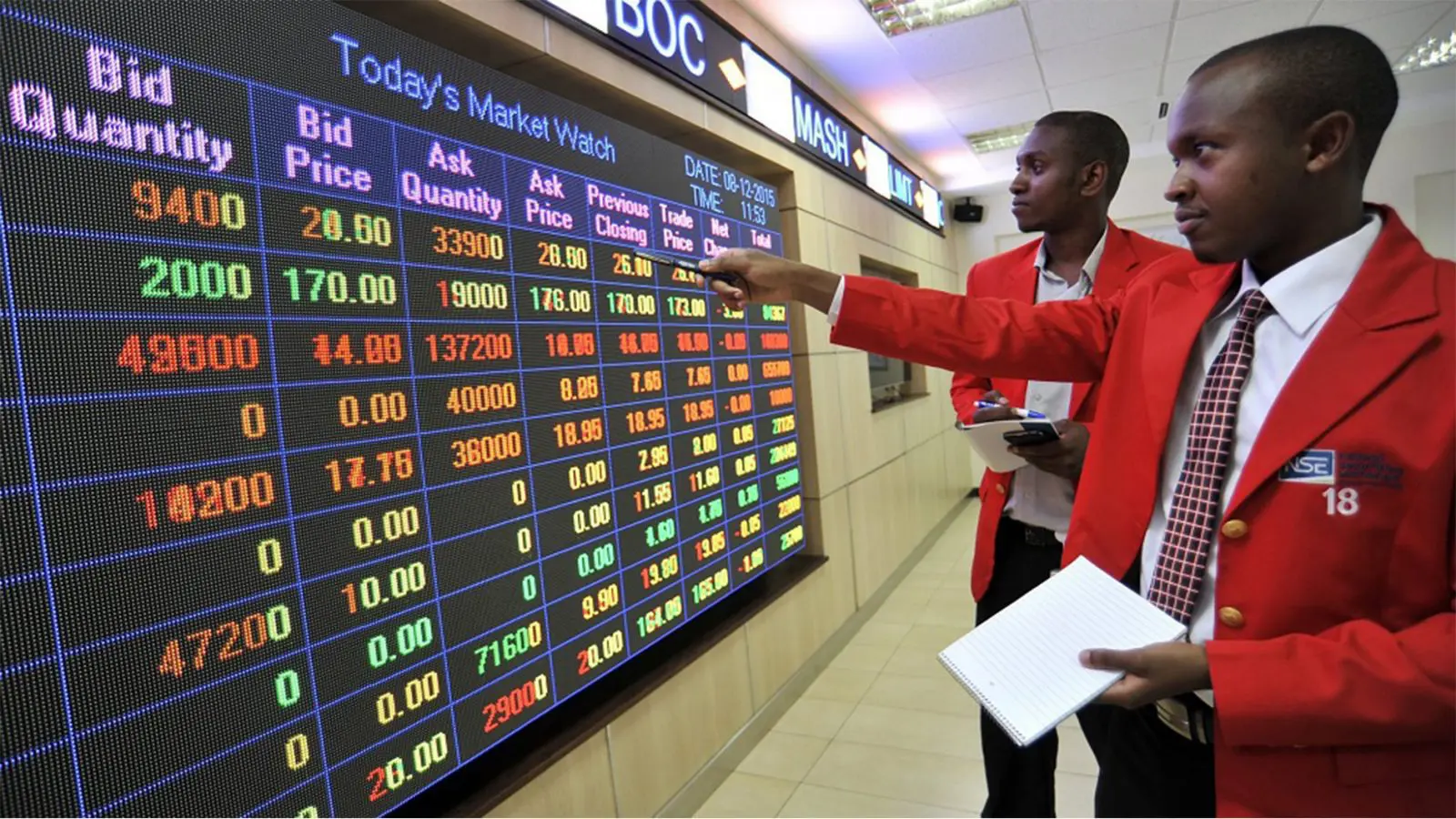
Liquidity risk arises when an investor cannot buy or sell a security quickly without significantly affecting its price.
This risk can be particularly important in smaller African stock markets and less frequently traded companies.
Why Are Some African Stocks Illiquid?
Several African exchanges have relatively small investor bases, limited institutional participation, and low trading volumes.
According to the OECD’s Africa Capital Markets Report 2025, 9 of 14 exchanges studied recorded annual turnover ratios below 5%.
This indicates that relatively small proportions of listed equity value were traded annually in many of the markets examined.
Individual securities can be even less liquid than their broader exchanges.
How Does Liquidity Affect Investors?
An investor holding $30,000 worth of shares in a company with limited daily trading activity may need several sessions to exit the position.
Selling too quickly could require accepting lower prices.
Wider bid-ask spreads also increase the effective cost of trading.
How Can Liquidity Risk Be Managed?
Investors should examine daily trading volumes, free float, order-book depth, and historical price movements.
Limit orders can help control execution prices but do not guarantee transactions will be completed.
Position sizes should reflect realistic exit opportunities.
Use Daba Capital Markets to research listed companies and their market characteristics.