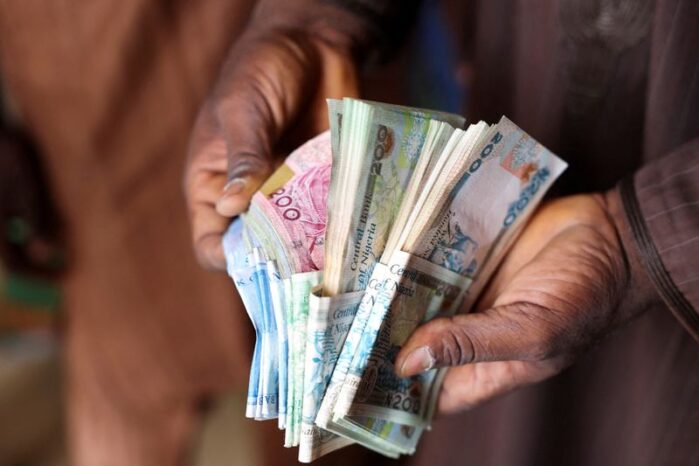
Currency depreciation is a major consideration for international investors buying African equities.
Shares may rise in local-currency terms while delivering losses when converted into US dollars or euros.
This is particularly relevant in markets that have experienced substantial exchange-rate adjustments.
How Does Currency Depreciation Affect Returns?
Consider an investor purchasing Nigerian shares worth ₦10 million when the exchange rate is ₦1,000 per dollar.
The investment is initially worth $10,000.
If the shares gain 30%, their local value increases to ₦13 million.
However, if the exchange rate depreciates to ₦1,500 per dollar, the investment is worth approximately $8,667.
Despite the stock’s 30% gain, the investor experiences a 13.3% loss in dollar terms before fees and dividends.
Which African Currencies Carry FX Risk?
The Nigerian naira, Ghanaian cedi, and Egyptian pound have all experienced substantial periods of depreciation.
Other African currencies have different monetary arrangements.
The West African CFA franc is pegged to the euro, reducing exchange-rate volatility against the euro but not eliminating exposure to movements against the US dollar.
How Can Investors Reduce Currency Risk?
Investors can diversify currency exposure, evaluate the macroeconomic outlook, and compare expected stock returns with potential exchange-rate movements.
They should also consider whether companies earn revenue in foreign currencies.
Research African stocks through Daba’s NGX market page and BRVM market page.