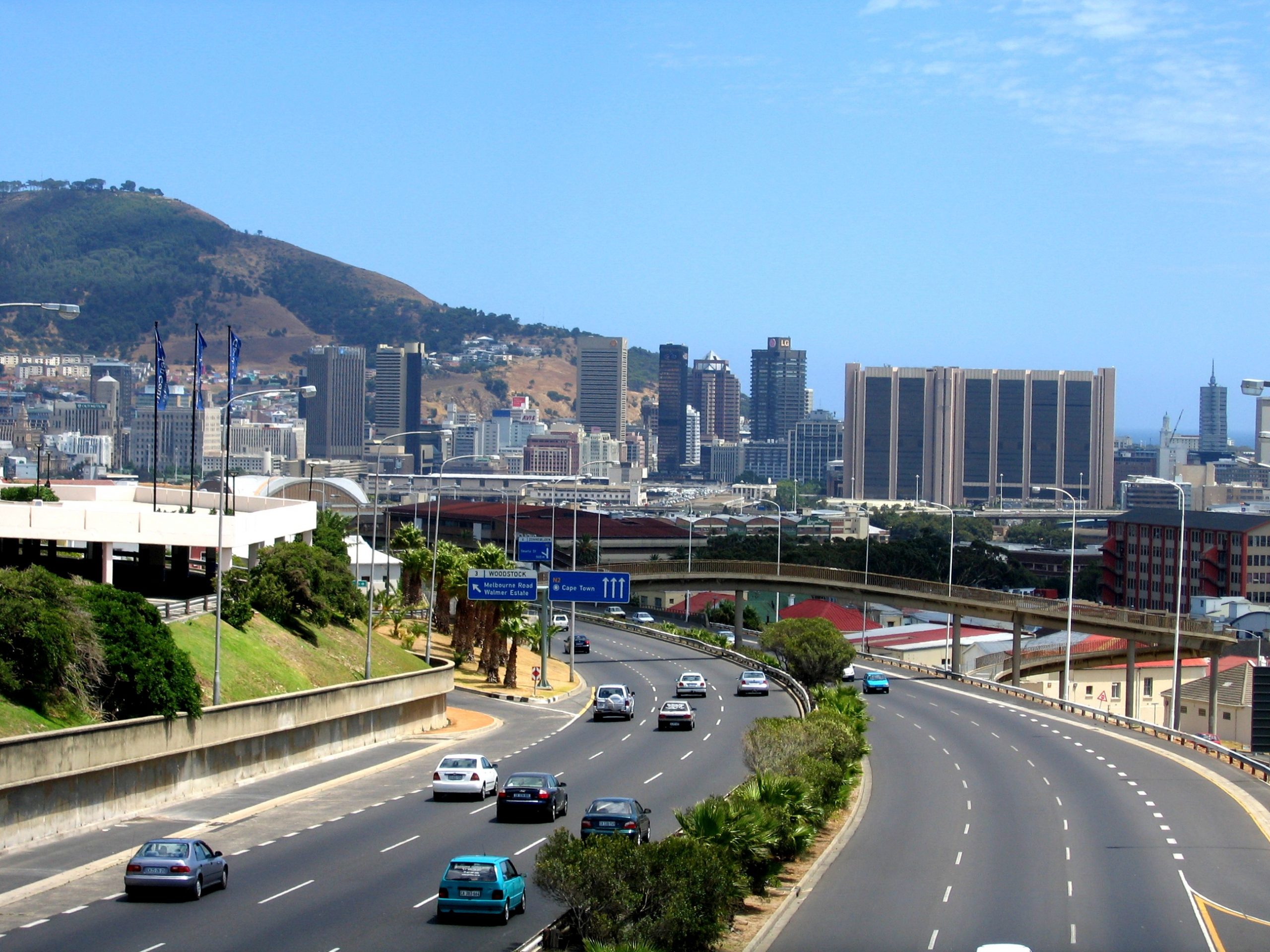
Africa’s urban population is expanding, increasing demand for housing, electricity, transportation, water, financial services, and consumer products.
The United Nations World Urbanization Prospects projects continued growth in African urban populations over the coming decades.
Cities including Lagos, Cairo, Kinshasa, Nairobi, Abidjan, and Dar es Salaam are important centers of economic and commercial activity.
Which Industries Could Benefit?
Construction companies may benefit from increased infrastructure and residential development.
Cement manufacturers and building-material suppliers can gain from higher demand for housing, roads, and commercial facilities.
Banks and insurance companies may benefit from increased formal employment, business activity, and financial-service usage.
Telecommunications operators and consumer businesses can also benefit from densely populated markets that support greater customer reach.
Does Urbanization Automatically Create Profitable Investments?
No. Rapid urban growth can also create pressure on transportation systems, electricity supply, public services, and housing affordability.
Infrastructure constraints may increase operating costs and limit economic productivity.
Investors should look for companies with strong balance sheets, pricing power, and the ability to expand without excessive debt.
How Can Investors Participate?
African listed equities can provide exposure to businesses involved in construction, finance, telecommunications, and consumer spending.
Investors can research West African industrial and financial companies through Daba’s BRVM capital markets page.